
📌 Key Takeaways
Valerie Ferguson, argues that operations defines the brand, because brand promises only survive if they can be executed on the floor
Holiday Inn built one of the most durable brands in hospitality history on three things: cleanliness, consistency, and safety -- fundamentals that haven't changed in 30 years
The difference between a good stay and an excellent one at Disney came down to one variable: the emotional connection a cast member made with a guest, sometimes in as little as 30 seconds

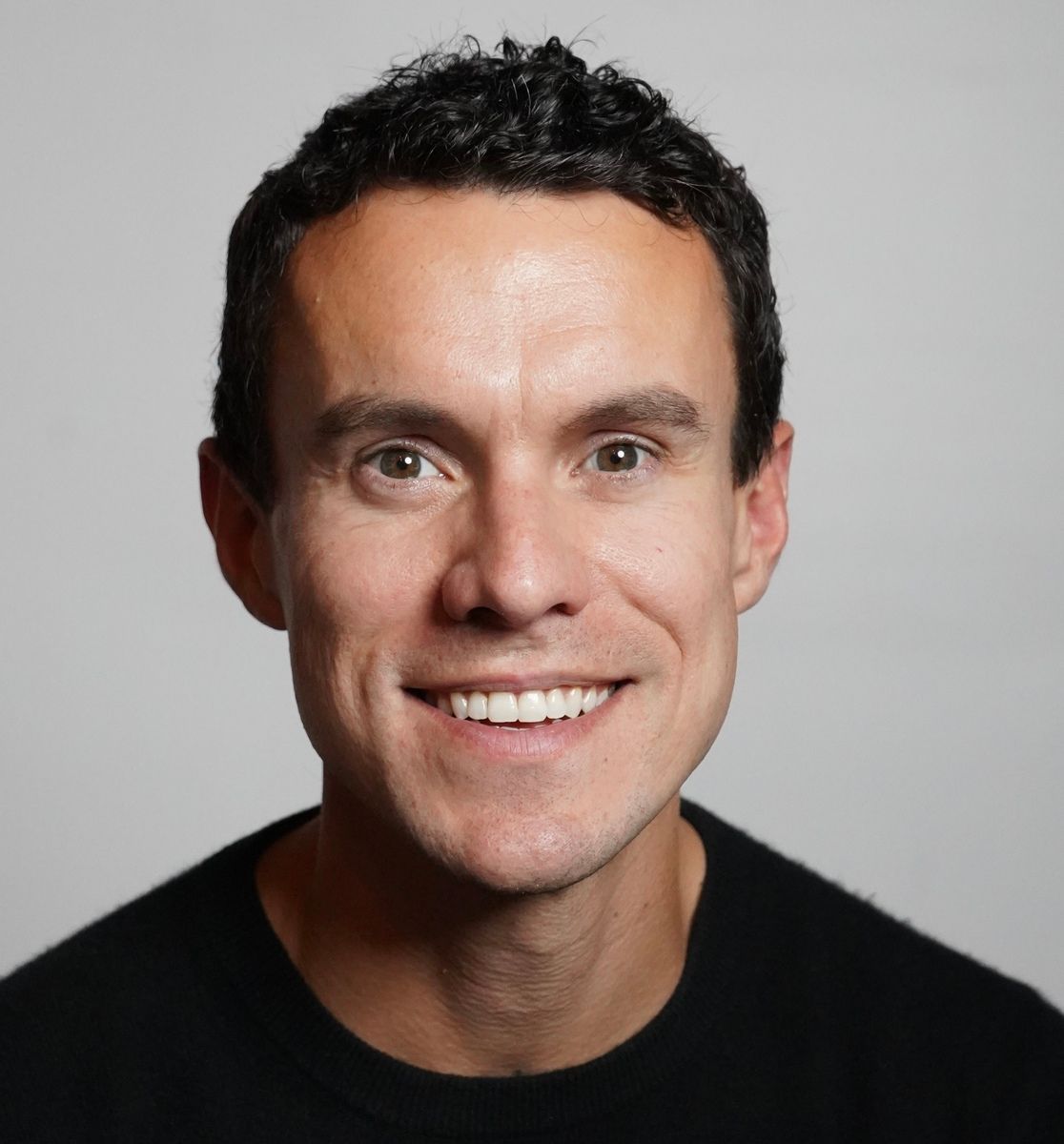
Valerie Ferguson
Today's insight from Valerie Ferguson, a hospitality leader with experience at Hyatt, Loews, Ritz-Carlton, Disney — and previous chair of the American Hotel and Lodging Association — on why your operation is your brand. Listen to the full conversation →
Many think brand is a marketing function.
Valerie Ferguson spent decades proving otherwise.
"Operations defines the brand and keeps the guests coming back," she told me. "End of story, period."
Valerie has led hotel operations at Walt Disney World, Loews, and across luxury properties such as The Ritz-Carlton, Atlanta. When I asked her about brand -- what's changed, what's stayed the same -- she went straight to operations. Not positioning. Not advertising. Not loyalty programs.
Operations.
The Fundamentals Haven't Changed
Valerie's starting point: brand is built on trust, and trust is built on fundamentals.
"Cleanliness. You make an assumption that the room is going to be clean, that the hotel's going to be clean. It's not anything you want to ask."
Holiday Inn became a massive brand, she pointed out, not because of great creative. Because no matter where you went, you knew what you were getting. Clean. Consistent. Safe. That was the brand.
Those fundamentals haven't changed. If anything, COVID amplified them. Suddenly brands were competing on cleaning protocols as a differentiator. Housekeeping staff, long treated as a back-of-house afterthought, became central to the brand story.
"We were so focused on the front desk," Valerie said. "Every single team member is important."
Some brands are now paying housekeeping staff more than front office staff. Why? "You cannot serve food on a dirty plate."
When Operations Fails, the Brand Breaks
Valerie watched this play out at scale during the industry consolidation of the nineties, when Wall Street money pushed large companies to acquire smaller brands and fold them into existing portfolios.
The logic made sense on a spreadsheet. More customers. Better yield. More rooms.
But operations couldn't always absorb it.
"Things feeding over into other brands that were very pristine in what they were offering," she said. "You've lost certain customers that were high-yield customers because it's not the same experience."
Brand equity isn't an intangible. It's a promise. And a promise only survives if the operation can keep it at the property level, every day, at scale.
The 30-Second Emotional Connection
When I asked Valerie what separated a good stay from an excellent one at Disney, she didn't say amenities. She didn't say design or food and beverage or room product.
She said the “cast member,” as Disney calls their associates.
"What we found was the difference was that emotional connection that each team member had with that guest. Sometimes it could be 30 seconds and sometimes it could be three hours."
This is where the brand actually lives. Not in the brand standards binder. In the interaction between a person and a guest.
And that means hiring for it. Valerie told me she never wanted candidates with a lot of experience.
"I can train and smooth the rough edges. But I can't make you smile. I can't make you feel empathy. I can't make you connect with that guest unless you're comfortable doing that."
She watched for one thing in interviews: whether a candidate smiled early, even when nervous.
The Housekeeper Who Remembered the Bananas
The reviews Valerie described as the most powerful weren't about the pool or the spa or the room upgrade.
They were about a housekeeper who stopped a guest in the hallway to help zip up her dress. A housekeeper who saw a guest's name on her daily board, remembered them from the day before, and noticed they'd eaten all the bananas from their amenity. And put more bananas in the room.
That's the brand.
Valerie's approach to building this culture: involve everyone, starting at the foundation.
"I call them the foundational levels. You're standing on the shoulders of stewards and housekeepers. They're in your most intimate spaces. They're the closest to you physically."
She brought line staff into conversations about service standards. Had them create videos about their guest interactions. Let them define what "emotional connection with the guest" actually looked like in practice.
"When you hear from someone that is like you, that you see yourself in, there's an emotional connection there."
The term "emotional connection with the guest" -- the phrase that became central to Disney's service culture -- came from the housekeeping team.
What This Means for You
Investments in the hotel business by Wall Street has made this harder, not easier. Valerie is candid about that. Owners looking at returns don't always want to hear about emotional connection on the housekeeper team. But she's consistent on the math.
"The return can't happen if that housekeeper or that front desk agent didn't create a relationship that brings that guest back."
If you're responsible for operations at any level, three questions worth sitting with:
Do your housekeeping staff feel like they're standing at the foundation of something -- or like they're invisible? The reviews Valerie described didn't come from training programs. They came from staff who understood their work mattered.
Are you hiring for the emotional connection, or assuming you can train it in? Valerie never wanted experience. She wanted people who smiled and connected with others around them.
Could your operation actually deliver on what your brand promises? Not in theory. On a Tuesday night when you're short-staffed and a guest has a problem. If the answer is unclear, the brand is at risk.
The guest defines the brand now. Reviews, word of mouth, shared experiences. Everyone knows that.
What's less discussed is that your operation defines what guests say.
This insight comes from our full conversation with Valerie Ferguson on operations, culture, and what it takes to deliver excellence at scale. Listen to the full episode →
Valerie Ferguson is a hospitality executive who served as a leader at Hyatt, Loews Hotels, Ritz-Carlton, and Disney. She was also chair of the American Hotel and Lodging Association.
Want to hear more conversations like this? Listen to Hospitality Daily →
